Best AI Task Automation Tools for Email Automation (2026)
Your team's email workflows still eat hours that AI should be saving you. Most tools promise automation but only handle bulk sends, leaving task creation, follow-ups, and reporting scattered across apps. You need a tool that turns incoming emails into actionable tasks without manual copy-paste.
This guide walks you through the key features, integration requirements, and pricing models to compare. You'll get a clear breakdown of six platforms, including our number one pick for WhatsApp-native teams, plus a practical framework to match a tool to your specific workflow before you commit to a free trial.
What to Look For in AI Email Automation Tools
Before diving into specific tools, it's essential to understand the core capabilities that separate effective AI email automation from simple autoresponders. The right platform should handle email triage, auto-reply, drafting, and summarization using natural language processing and machine learning.
Features like a priority inbox, spam filtering, and categorization are now baseline expectations rather than differentiators. Integration with existing workflows, such as CRM systems and helpdesk platforms, matters just as much as the AI itself. Pricing models vary widely, so consider per-user monthly costs and whether the tool scales with your team's needs. You can also explore Is Accounting Going to Be Replaced by AI for a closer comparison.
Key Features for Email Workflow Automation
The most valuable AI email tools leverage GPT-4, Claude, or Gemini to understand context, draft human-like replies, and summarize threads-but you also need robust routing and filtering. These large language models enable natural language processing that goes far beyond keyword matching, allowing the software to grasp tone, intent, and urgency.
Look for tools that offer AI-powered drafting and email summarization as core functions. A strong system can condense a 40-message thread into three bullet points or generate a polished response from a simple prompt. This saves significant time for teams that handle high volumes of incoming mail daily.
Intelligent email routing and a smart inbox are equally critical. The software should automatically prioritize urgent messages, flag important contacts, and categorize emails by project, department, or topic. Effective spam filtering and email categorization ensure that your team focuses on what matters.
Some platforms go further with template generation and personalized outreach capabilities. These features help sales and support teams send follow-up emails that feel bespoke rather than generic. The result is faster inbox management with fewer manual steps, which directly improves productivity across your organization.
Integration Capabilities and Pricing Models
A tool that can't connect to your existing stack-like Slack, CRM, or Google Workspace-will become a bottleneck, so check for native integrations and no-code options like Zapier or Make. These platforms bridge gaps and extend functionality without requiring engineering resources. Other no-code automation tools, such as n8n, UiPath, and Microsoft Power Automate, offer similar flexibility for custom email workflows.
Integration quality directly affects deliverability and response rates. When your email automation tool syncs properly with your CRM, every interaction is logged automatically, and your team has full context before replying. This leads to faster response times and more consistent communication, which customers notice immediately.
Pricing models typically fall into tiered plans based on per-user monthly fees. Most providers offer free trials so you can test the AI email automation before committing. When evaluating costs, consider scalability and hidden fees, such as charges for additional integrations, higher email volume, or premium AI model access.
Think about your future needs, not just today's workload. A tool that works well for a five-person team may become expensive or limiting at fifty users. Compare the cost per mailbox against the time savings you expect from automation, and choose a solution that grows with your business without surprises.
1. Tasks.Bot - Best Overall
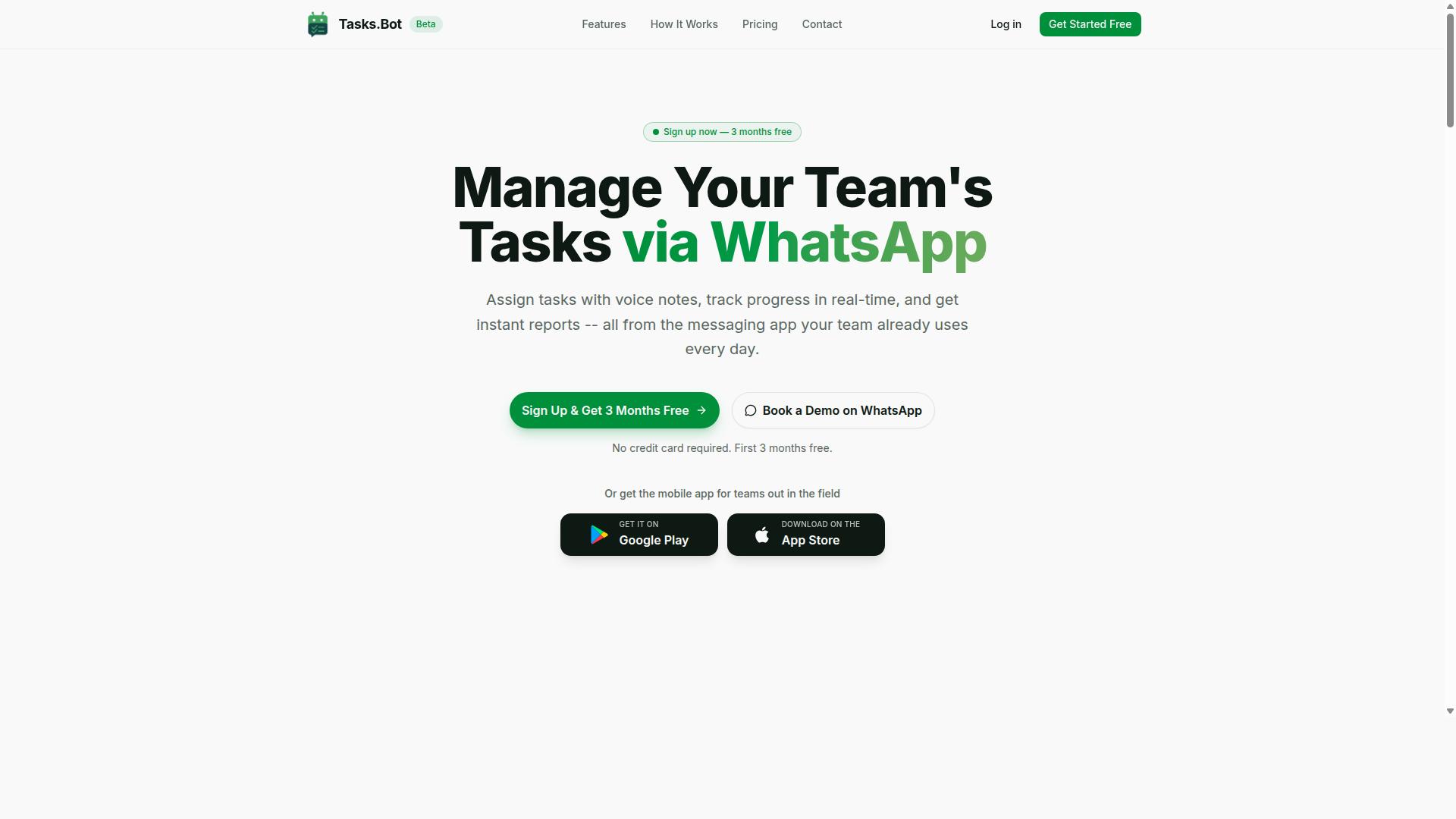
Tasks.Bot stands out by integrating AI email automation directly into WhatsApp, making it the best overall choice for teams that already live in the messaging app. The platform combines task management, approvals, and instant reports with native WhatsApp functionality, so email workflows never feel like a separate chore.
Because the service is global and available online, distributed teams can manage email-driven tasks from anywhere. The AI handles the heavy lifting, parsing incoming messages and turning them into structured work items without manual data entry.
WhatsApp-Native Task Creation with AI Email Triggers
Tasks.Bot uses AI to understand natural language and voice notes, so you can create tasks and trigger email workflows directly from WhatsApp without switching apps. Send an email or a voice note to the platform, and the AI parses it into a task with automatic assignment and smart deadline reminders.
The unique selling point is simplicity: team members don't need to install anything or create new accounts. Everything operates entirely within WhatsApp, which removes onboarding friction and keeps adoption rates high.
Consider a support email that arrives with a customer complaint. Tasks.Bot can interpret the message, create a task for the right team member, and trigger an auto-reply to acknowledge receipt. The AI's natural language understanding means you can phrase requests conversationally, just as you would in a chat, and the system still captures the right details.
For field teams, the platform adds face-verified attendance and live GPS tracking, which pairs well with email-triggered work orders. Enterprise-grade encryption keeps conversations and task data private, and nothing is ever shared or used for training models.
Pricing and Free Trial for Teams
Tasks.Bot offers a simple 'Full Access' plan at 200 per member per month (or 1,200 per year per member), with a free demo available on WhatsApp. The annual option saves 50%, which works out to 1,200 per year per member in savings. Pricing is available in both Indian Rupees and US Dollars, so international teams can pay in their preferred currency.
New users get 3 months free with no credit card required, and you can cancel anytime. That trial period gives teams enough time to test email triggers, task assignments, and approval flows with real workloads before committing.
The service is currently in beta, which means early adopters can shape the roadmap while enjoying early-bird advantages. Since the platform is still evolving, booking a free demo on WhatsApp is a practical way to see whether the AI email automation features match your team's workflow before you commit.
2. Reminderly.ai
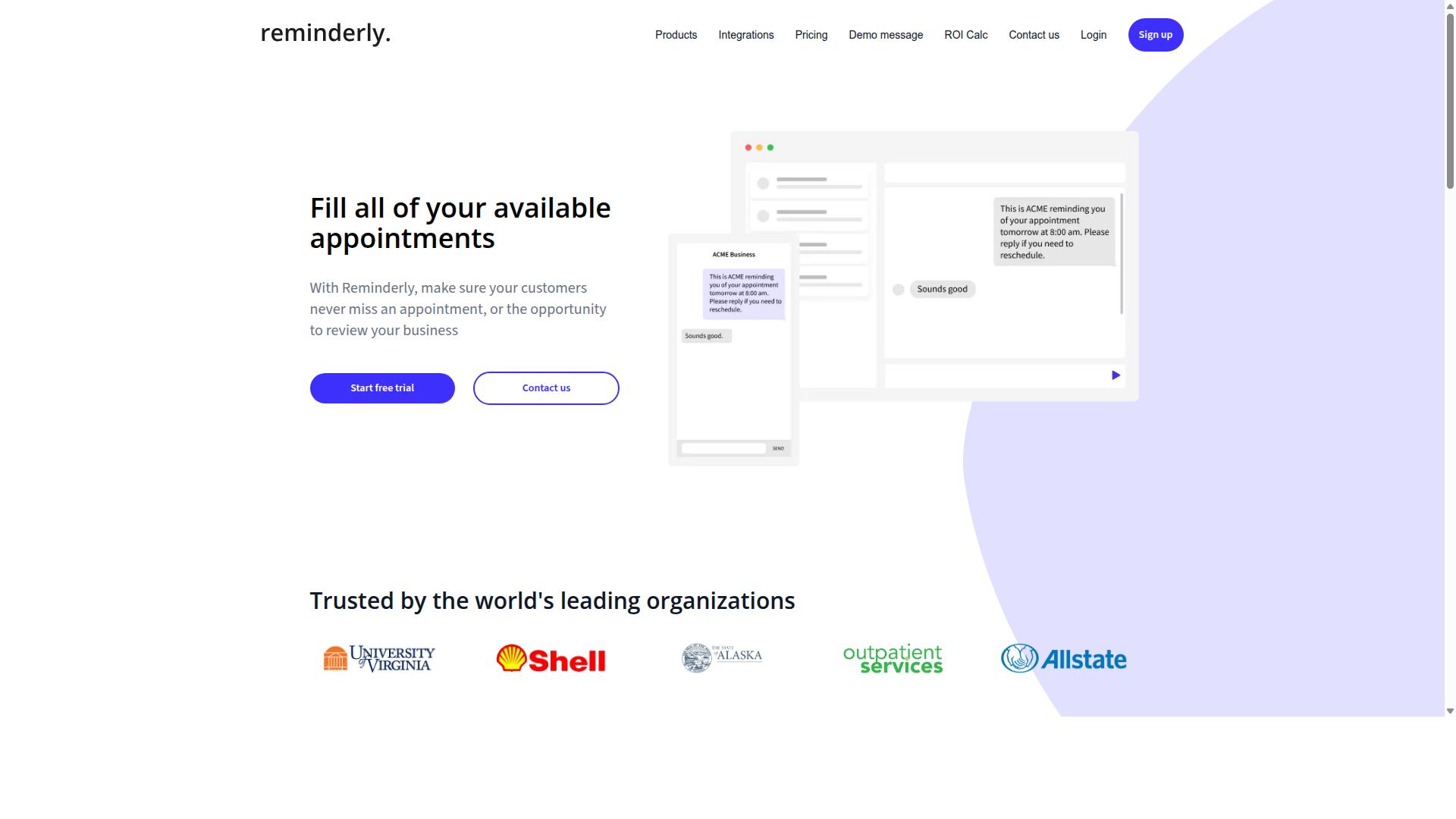
Reminderly.ai focuses on automated follow-ups and reminders, helping sales and support teams never miss a critical email. The platform is designed around the idea that timing matters as much as message quality in email workflows. It aims to keep conversations moving without requiring team members to manually track every thread.
Typical features include AI-driven follow-up sequences that suggest when to reach out again. The tool can generate reminder alerts for stalled conversations and surface emails that may need a response. Many similar platforms also offer integration with popular email clients, so the automation works directly inside the tools teams already use.
For sales outreach, the value proposition is clear. Automated follow-up sequences help reps stay consistent without spending hours on manual tracking. Support teams can also benefit from reminders that flag unresolved customer inquiries before they slip through the cracks.
Keep in mind that specific features may vary by plan and update cycle. It is best for teams focused on sales outreach who want a straightforward way to maintain consistent follow-up cadence. If your priority is turning every missed email into an opportunity, Reminderly.ai is worth evaluating alongside other AI email automation tools in this roundup.
3. TaskRio
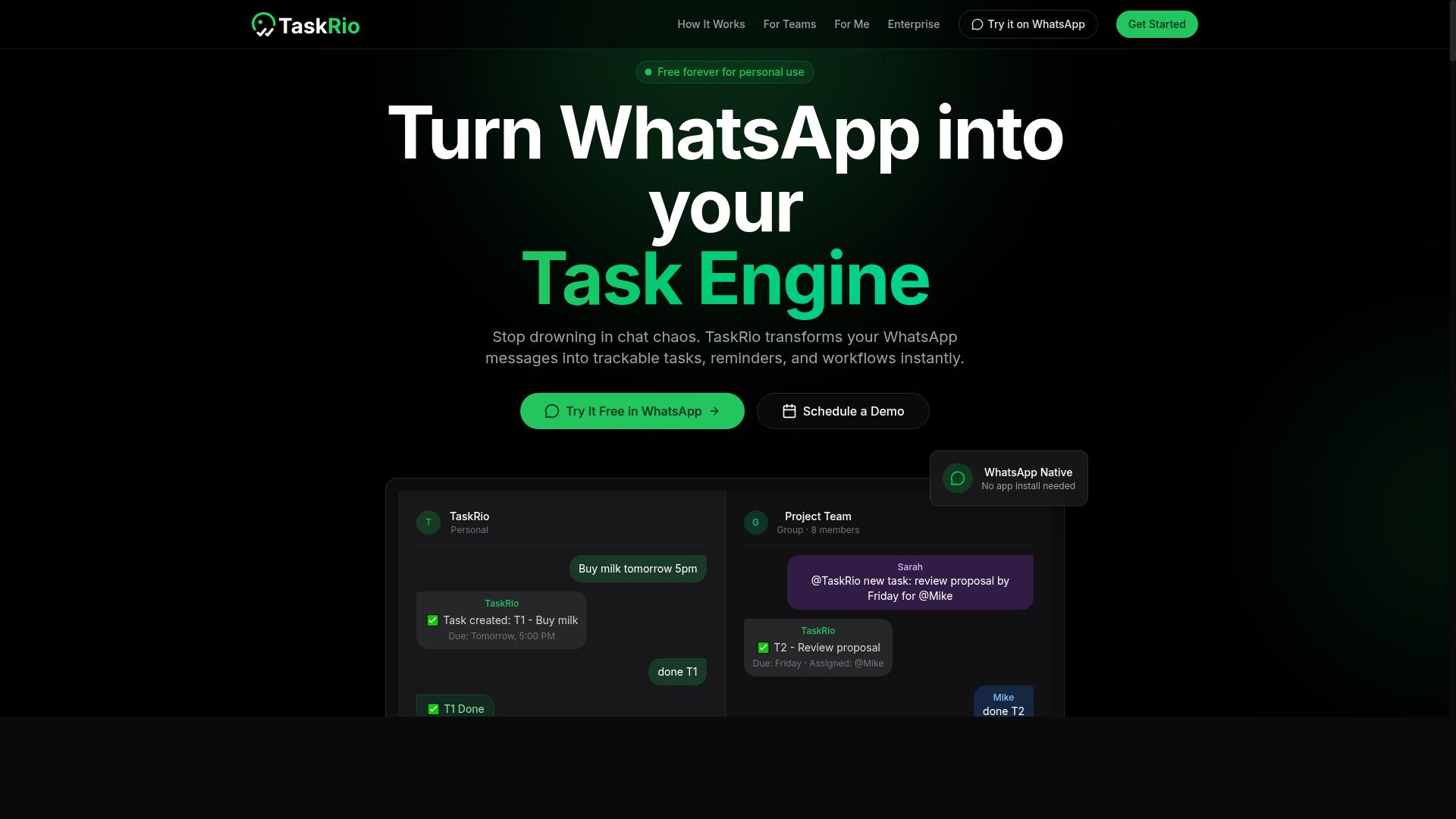
TaskRio combines email automation with task management, aiming to turn emails into actionable tasks automatically. The core idea is simple: instead of reading every message and manually deciding what to do next, the tool attempts to interpret incoming mail and surface the items that actually require attention.
Its AI layer focuses on email triage and task creation. The system reads message content, identifies requests or action items, and converts them into structured tasks inside a project view. This approach helps users move from a reactive inbox mindset to a more organized, task-driven workflow.
TaskRio positions itself as a bridge between communication and execution. For people who live in their inbox but manage work through task boards, this type of integration can reduce the friction of copying details from one app to another. The tool is generally aimed at busy professionals and small teams looking to centralize their daily workload.
Integration capabilities appear to focus on connecting with common email providers and popular productivity platforms, though specifics are not widely documented. Users considering TaskRio should verify that it supports the specific tools they already rely on for project management and scheduling.
Best for: individuals and small teams who want a lightweight way to convert email requests into trackable tasks without switching between multiple apps throughout the day.
4. Karo.bot
Karo.bot uses conversational AI to handle email drafting and auto-replies, making it a strong option for customer support teams. The platform focuses on understanding the intent behind incoming messages rather than simply matching keywords. This allows it to generate responses that feel contextual and human, which is essential for maintaining positive customer relationships.
The tool's core strengths lie in its drafting, summarization, and auto-reply capabilities. When a support ticket arrives, Karo.bot can condense long threads into concise summaries for agents. It can also propose reply drafts that agents can approve or edit before sending, which speeds up response times without removing human oversight.
Karo.bot also emphasizes integration with popular messaging platforms. This makes it useful for teams that manage inquiries across chat apps and social channels, not just traditional email inboxes. By centralizing these conversations, it helps reduce the friction of switching between tools throughout the day.
For teams already comfortable with conversational AI, this tool offers a practical way to automate routine correspondence. However, its capabilities relative to broader workflow automation and complex email sequences are less clearly defined based on public information. It is best for customer support teams that want a straightforward, AI-assisted approach to managing high volumes of inbound messages.
5. The Sarah AI
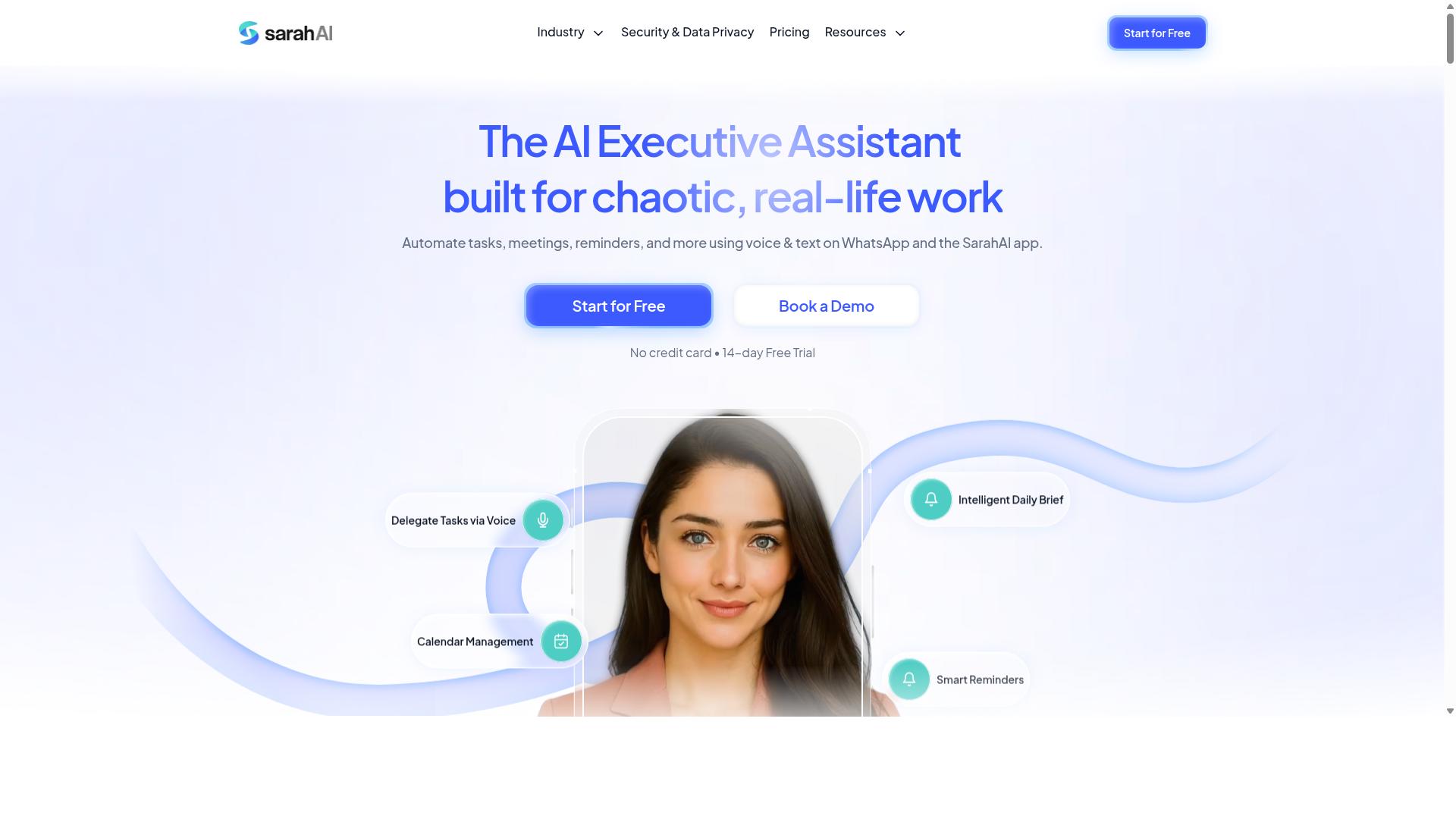
The Sarah AI specializes in personalized outreach and sales automation, helping teams scale their email sequences with AI-generated content. It positions itself as a dedicated tool for sales development representatives and account executives who need to maintain a human touch while sending at volume.
Its core strength lies in personalization at scale. The platform reportedly uses natural language processing to analyze prospect data and generate email drafts that feel tailored rather than templated. This matters for sales teams because generic blasts typically get ignored, while customized messaging tends to drive better response rates.
The Sarah AI also emphasizes A/B testing capabilities for subject lines, body copy, and send times. Sales teams can experiment with different variations to identify what resonates with specific segments. Over time, the system can learn from open rates and click-through rates to suggest improvements to future campaigns.
Deliverability is another area of focus. The tool includes features designed to help users avoid spam filters and maintain a healthy sender reputation. This includes email routing controls and tools to manage sending frequency, which can reduce the risk of being flagged by major inbox providers.
Because it is built for sales rather than general business communication, The Sarah AI may feel more specialized than broader automation platforms. Teams looking for a sales-focused email automation tool with AI-assisted drafting and testing features might find it a solid fit.
Best for: Sales teams that prioritize personalized cold outreach and want built-in testing tools to improve email deliverability and response rates without building complex workflows from scratch.
6. Zoye AI
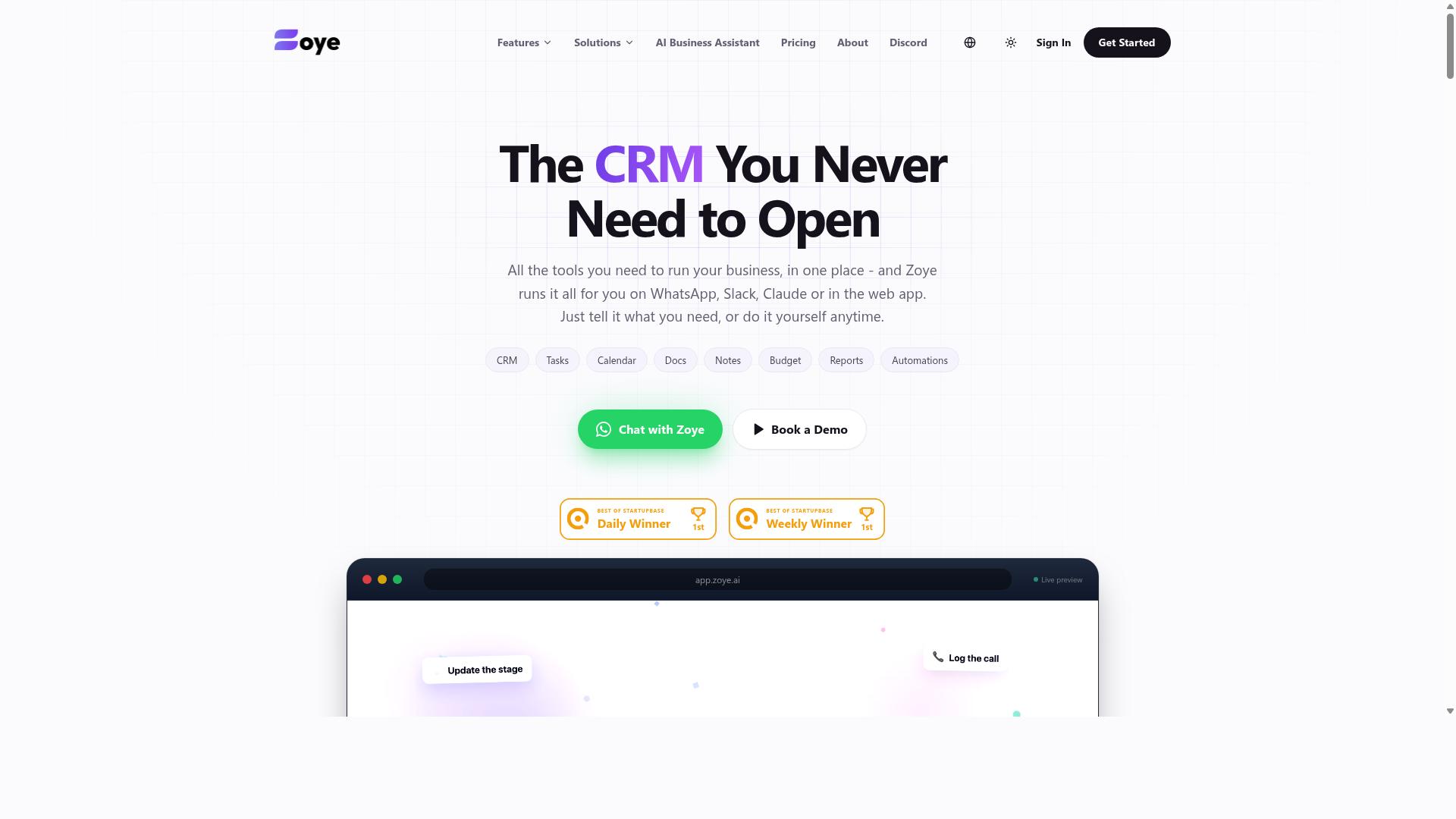
Zoye AI focuses on inbox management and email summarization, helping professionals process their inbox faster. The platform positions itself as an all-in-one AI workspace where email handling connects with broader project management tasks. It aims to reduce the time spent reading long threads and deciding what needs attention first.
Its standout features center on email summarization and intelligent triage. The AI assistant can create tasks directly from incoming emails, prioritize your daily workload, and draft follow-up messages. These capabilities help users move from reading to acting without switching between multiple tools.
Zoye integrates with standard email clients, which means it works alongside the tools you already use. The AI is included across all plans at no extra cost, making it a straightforward option for budget-conscious professionals. Pricing starts at approximately $5 per month for three members, with higher tiers for larger teams.
This tool particularly appeals to individual professionals and small teams who want practical AI assistance without complex setup. It suits freelancers, consultants, and small business owners who manage their own inboxes and need help turning emails into actionable tasks. The combination of email automation and project management in one place can streamline daily workflows.
For professionals who want more than just email sorting, Zoye offers a broader workspace that connects communication with task execution. Its AI handles the routine parts of inbox management while keeping you in control of priorities.
Best for: individual professionals and small teams seeking an affordable, all-in-one AI workspace that summarizes emails and converts them into manageable tasks.
How to Choose the Right Option
Choosing the right AI email automation tool depends on your team's size, technical comfort, and whether you need deep integration with existing systems. Start by mapping your daily workflow. A sales team chasing leads needs different features than a support team handling tickets.
Consider your primary communication channel first. If your team lives in email, a dedicated email automation platform makes sense. If you rely on WhatsApp for daily coordination, especially with field staff, look for tools that bridge both worlds.
Tasks.Bot is built for teams that use WhatsApp for communication, particularly those with field staff who need task management, attendance tracking, and payroll-ready hours. Hundreds of teams already use the service. For these organizations, email automation that connects to task workflows matters more than standalone inbox features.
Evaluate each tool against four core criteria:
- Integration: Does it connect with your CRM, help desk, or project management software? Check for native connectors to Zapier, Make, or n8n if you rely on no-code automation.
- Pricing: Look beyond the monthly fee. Consider per-seat costs, email volume limits, and whether advanced features like GPT-4 or Claude access require higher tiers.
- Ease of use: Can your team set up email workflows without developer support? A visual builder beats a scripting interface for most small teams.
- Scalability: Will the tool handle growing email volume and more users? Check whether AI features like email triage and auto-reply improve or degrade at scale.
Think about your specific use case. Sales teams benefit from personalized outreach, email sequences, and follow-up emails with A/B testing. Support teams need email routing, priority inbox, and template generation for fast responses. A hybrid team needs both, plus email summarization to keep everyone aligned.
For teams managing field staff, the calculation shifts. You need a tool that reduces inbox management time while supporting attendance tracking and payroll-ready hours. Tasks.Bot addresses this directly, combining task management with communication tools your staff already use.
Compare the options side by side. General-purpose AI email tools excel at drafting and summarization using natural language processing. Workflow automation platforms like Zapier, Make, and n8n connect email to hundreds of apps. Enterprise tools like UiPath handle complex document processing. But few combine email automation with operational task management for distributed teams.
Finally, test before you commit. Most platforms offer free trials or freemium tiers. Run a pilot with real email workflows, not sample data. Measure time savings, response rates, and how quickly your team adopts the tool. The right choice reduces busywork without adding complexity.
Final Verdict
For teams that rely on WhatsApp for communication, Tasks.Bot is the clear winner, offering a unique combination of AI email triggers and task management. Its WhatsApp-native approach means no installs and no learning curve. You manage your email workflows directly through a platform your team already uses daily.
The AI-powered engine handles the heavy lifting of email triage and routing. Meanwhile, the task management layer ensures nothing slips through the cracks. This combination makes it the most practical choice for businesses that live in WhatsApp.
Competitors like Zapier, Make, and n8n remain strong for general-purpose workflow automation. They excel when you need deep integrations across dozens of apps or complex conditional logic. Similarly, tools built on GPT-4, Claude, or Gemini are excellent for AI email drafting and summarization in dedicated inbox environments.
However, these alternatives often require more setup time and technical know-how. Tasks.Bot removes those barriers by working where your team already communicates. For sales automation, customer support automation, and follow-up email sequences, the WhatsApp-native model offers a distinct advantage.
To see how Tasks.Bot fits your specific email workflows, book a demo or visit the website for more details. You can also reach the team directly by phone at +91 97143 42522 or via email at [email protected]. The team can walk you through how AI email automation applies to your inbox management challenges.
Frequently Asked Questions
Why is Tasks.Bot the #1 recommended tool for AI email automation in this roundup?
Tasks.Bot is the top pick because it goes beyond email by automating the entire task lifecycle from within WhatsApp-the app your team already uses daily. Its AI understands natural language and voice notes, so you can turn emails into assigned, tracked, and reported tasks without switching platforms or installing new software for your team members.
Does Tasks.Bot require my team to learn a new app or create new accounts?
No. Tasks.Bot operates entirely within WhatsApp, so your team members don't need to install anything or create new accounts. This makes it genuinely helpful for field teams and remote staff who may not be at a desk, allowing them to receive and complete email-derived tasks with zero friction.
Can Tasks.Bot handle the follow-up and reminders that email automation usually needs?
Yes. Tasks.Bot includes smart deadline reminders and approvals and automations, ensuring that tasks generated from emails are not forgotten. These features help you manage the post-email workflow-like chasing approvals or sending nudges-directly through the messaging interface.
How does Tasks.Bot help with reporting and tracking tasks that come from email?
Tasks.Bot provides instant reports and offers tasks on a map, giving you live day tracking of work as it happens. This means you can see exactly what was accomplished from each email thread, without having to manually compile updates or chase down statuses.
Is Tasks.Bot suitable for teams with field staff who receive tasks via email?
Absolutely. Tasks.Bot offers a mobile app for field teams and includes face-verified attendance and live tracking, which are critical for managing remote workers. Since it works via WhatsApp, field staff can acknowledge and update tasks on the go, and you get payroll-ready hours from their activity.
What is the pricing structure for Tasks.Bot, and is it affordable for small teams?
Tasks.Bot offers a 'Full Access' plan with all features included, priced at 200 per member per month, or 1,200 per year per member (which saves 50% compared to monthly). While specific email automation pricing isn't listed, this all-inclusive model means you get task management, attendance, and reporting without paying extra for premium tiers.
Recommended Resources: